
Get Grease Trap Installation
Local contractors offer grease trap installation services to prevent plumbing clogs, manage kitchen waste, and ensure proper drainage for restaurants and food service facilities.
Grease trap installation is an essential service for many property owners looking to maintain proper kitchen and wastewater system functioning. Whether managing a restaurant, commercial kitchen, or other food service facility, having a properly installed grease trap helps prevent plumbing issues and ensures compliance with local regulations. If you're exploring options for this type of work, you're in the right place to find experienced local contractors who can handle the project efficiently and effectively.
Comparing local service providers can help property owners identify the right fit for their specific needs. Planning a grease trap installation involves understanding the scope of work, site requirements, and compatibility with existing infrastructure. Continuing to explore your options allows you to connect with trusted local contractors who can provide the expertise necessary to complete the job smoothly and reliably.
- Grease trap installation - needed when a commercial kitchen or food service operation is setting up or upgrading their plumbing system.
- Grease trap replacement - required when existing traps are outdated, damaged, or no longer functioning effectively.
- Grease trap maintenance - necessary for facilities that want to ensure proper trap performance and prevent plumbing issues.
- Grease trap inspection - performed to assess the condition of traps during routine checks or before new food service equipment is installed.
- Custom grease trap solutions - sought by businesses with unique plumbing setups or specific capacity requirements.
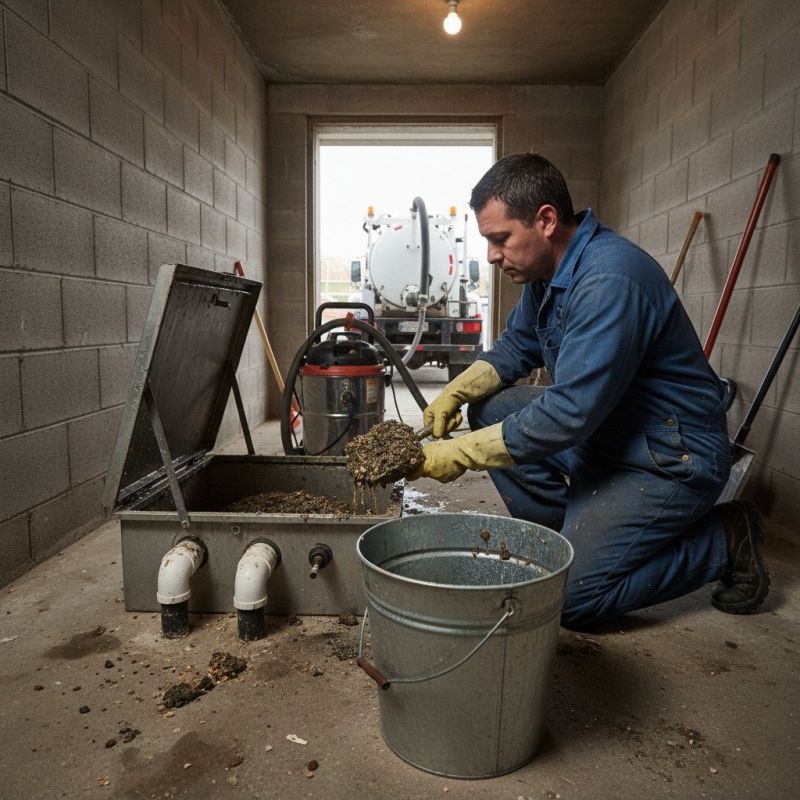
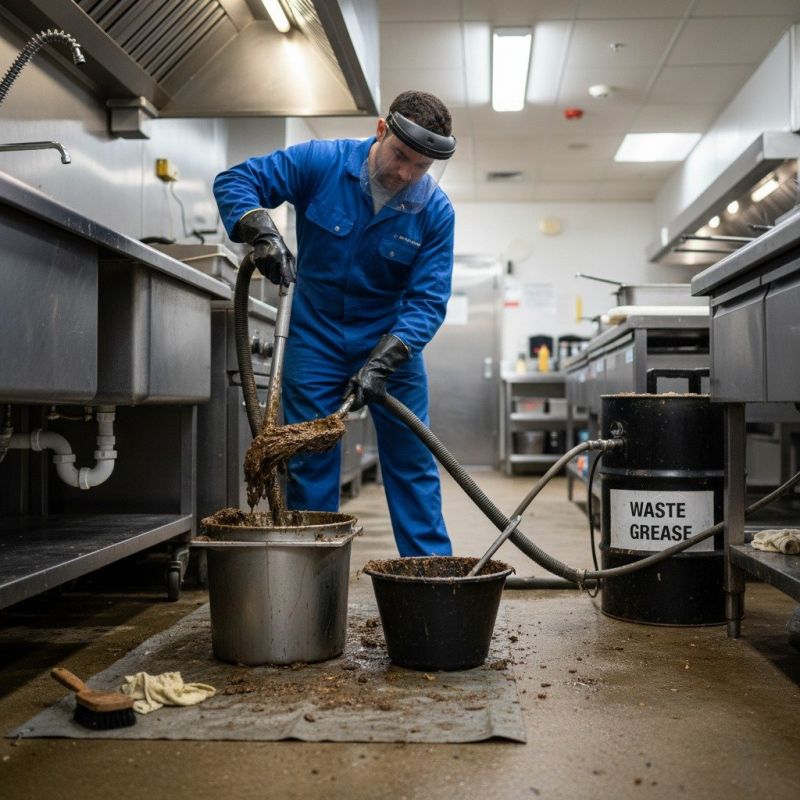
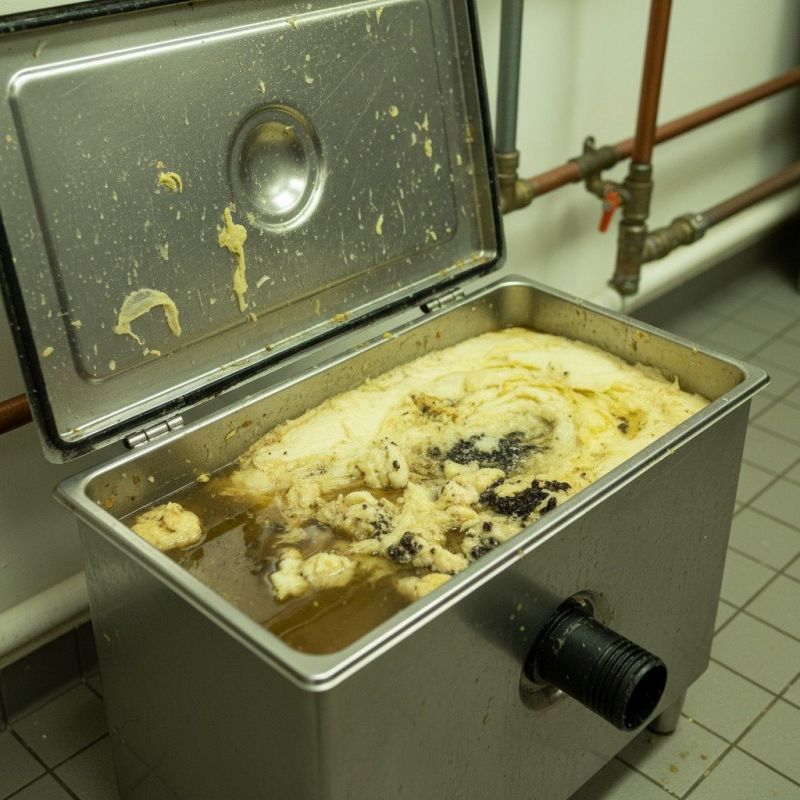
Grease trap installation involves placing a specialized tank designed to capture fats, oils, and grease (FOG) before they enter the plumbing system. This service typically includes assessing the property’s needs, selecting an appropriately sized trap, and properly installing the unit to ensure it functions effectively. Proper installation is essential for preventing grease buildup in pipes, which can lead to blockages and costly plumbing issues down the line. Local contractors experienced in grease trap installation can help property owners establish a reliable system that keeps their plumbing running smoothly and reduces the risk of backups.
Many common problems can be addressed through professional grease trap installation. Without a properly installed trap, grease from kitchens-especially in commercial settings-can accumulate in sewer lines, causing slow drains or complete blockages. Over time, this buildup may lead to foul odors, sewage backups, and potential violations of local health and safety codes. Installing a grease trap provides a solution that captures grease at the source, helping property owners maintain a clean, hygienic environment and avoid expensive plumbing repairs caused by grease-related clogs.
Properties that typically use grease trap installation services include restaurants, cafes, catering facilities, and other food service businesses. Additionally, some large residential buildings with multiple kitchens or communal dining areas may also require grease traps to manage waste effectively. Commercial kitchens generate significant amounts of FOG, making proper trapping essential for compliance and operational efficiency. Even some industrial or institutional facilities with food preparation areas may benefit from professional grease trap installation to ensure their plumbing systems remain free of grease-related issues.
Homeowners who notice slow drains, foul odors around kitchen plumbing, or frequent backups might also consider grease trap installation if their property includes a large or shared kitchen space. While grease traps are more common in commercial settings, certain residential properties-such as those with large-scale food preparation-may need to install a trap to prevent plumbing problems. Consulting with local service providers can help determine whether a grease trap is a suitable solution for specific property needs, providing peace of mind and helping to maintain a well-functioning plumbing system.
The overview below groups typical Grease Trap Installation projects into broad ranges so you can see how smaller, mid-sized, and larger jobs often compare in your area.
In many markets, a large share of routine jobs stays in the lower and middle ranges, while only a smaller percentage of projects moves into the highest bands when the work is more complex or site conditions are harder than average.
Smaller Repairs - Typical costs for minor grease trap repairs or maintenance range from $250 to $600. Many routine jobs fall within this middle range, depending on the scope of work and the size of the trap.
Standard Installation - Installing a new grease trap for a small to medium-sized property generally costs between $1,000 and $3,000. Larger, more complex projects can reach $4,500 or higher, but most installations fall within this range.
Full Replacement - Replacing an existing grease trap with a new unit typically costs between $2,000 and $5,000. Projects at the higher end tend to involve extensive plumbing work or custom setups, which are less common.
Large or Commercial Projects - Large-scale or commercial grease trap installations can range from $5,000 to over $10,000, depending on the size, complexity, and site requirements. Many projects are within the lower to mid part of this range, with fewer reaching the highest tiers.
Actual totals will depend on details like access to the work area, the scope of the project, and the materials selected, so use these as general starting points rather than exact figures.
Septic Tank Installation - This project involves planning and installing underground waste management systems, requiring similar site assessment and excavation skills as grease trap installation.
Stormwater Drainage System Setup - Installing stormwater drainage involves understanding piping layouts and site planning, comparable to designing and installing grease traps.
Commercial Plumbing System Installation - Setting up complex plumbing networks demands knowledge of piping, flow management, and site preparation, aligning with grease trap installation techniques.
Wastewater Treatment System Setup - Installing wastewater treatment units involves planning, site excavation, and system configuration skills akin to grease trap installation projects.
Kitchen Drainage System Renovation - Upgrading or installing kitchen drainage requires precise planning and piping work similar to grease trap setup processes.
Industrial Waste Management Equipment Installation - Installing specialized waste treatment units involves site assessment and piping skills comparable to those used in grease trap installation projects.
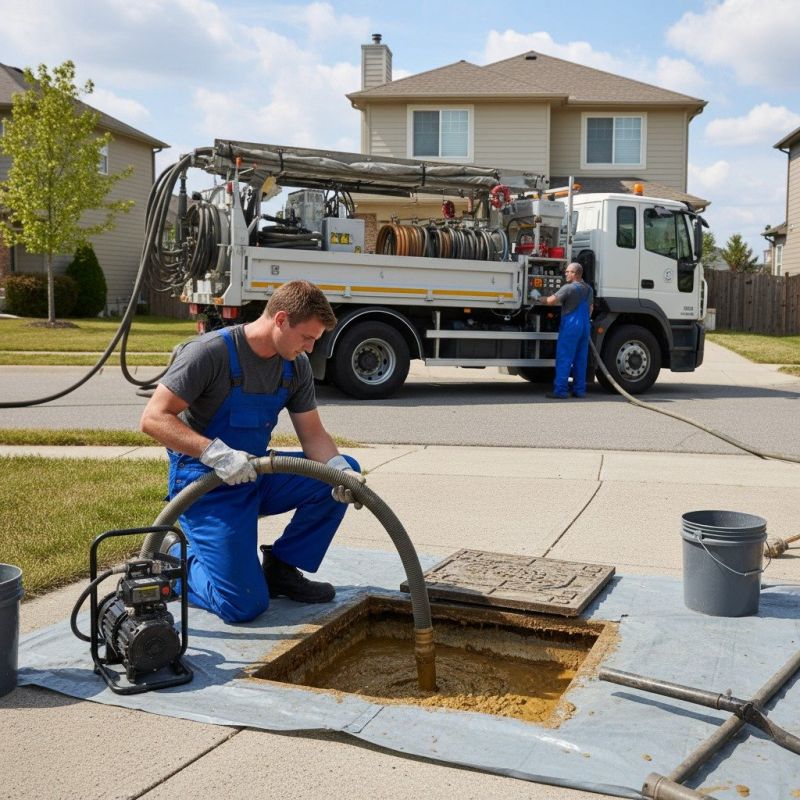
When evaluating potential contractors for grease trap installation, it’s important to consider their experience with similar projects. Homeowners should inquire about how many installations they have completed that are comparable in size and complexity to the current job. A contractor with a proven track record in handling projects like yours can often provide more reliable results and better insight into potential challenges. Checking references or reviews from previous clients can help verify their experience and give a clearer picture of what to expect from their work.
Clear, written expectations are essential to ensure everyone is aligned on the scope and details of the project. Homeowners should seek out service providers who can offer detailed proposals or estimates that outline the work involved, materials to be used, and any other relevant specifics. Having these expectations documented helps prevent misunderstandings and provides a basis for evaluating bids. It’s also beneficial to ask how the contractor plans to handle unforeseen issues or changes during the project, ensuring there is transparency from the outset.
Good communication and reputable references are key factors when selecting local contractors. Service providers who are responsive and willing to answer questions demonstrate professionalism and a commitment to client satisfaction. Asking for references or testimonials from past clients can provide insights into their reliability, work quality, and how they manage customer relationships. Homeowners should prioritize contractors who communicate clearly and consistently, as this often reflects their overall approach to service and project management. The site serves as a resource to connect homeowners with local options that meet these criteria, helping to make an informed decision.
Property owners use Grease Trap Installation services for practical projects around their homes and businesses. This guide focuses on everyday jobs and straightforward project options.
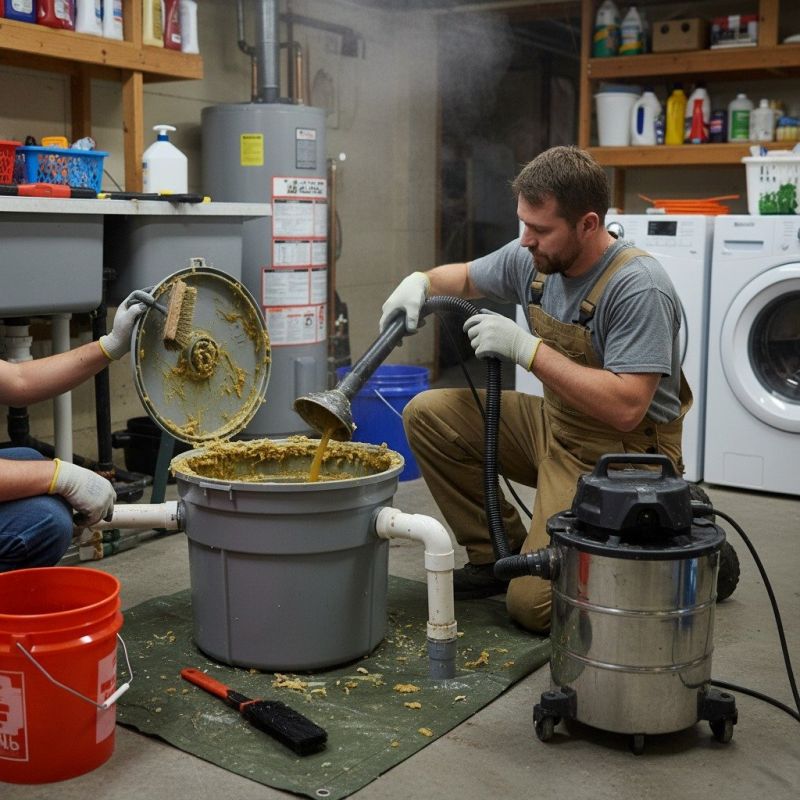
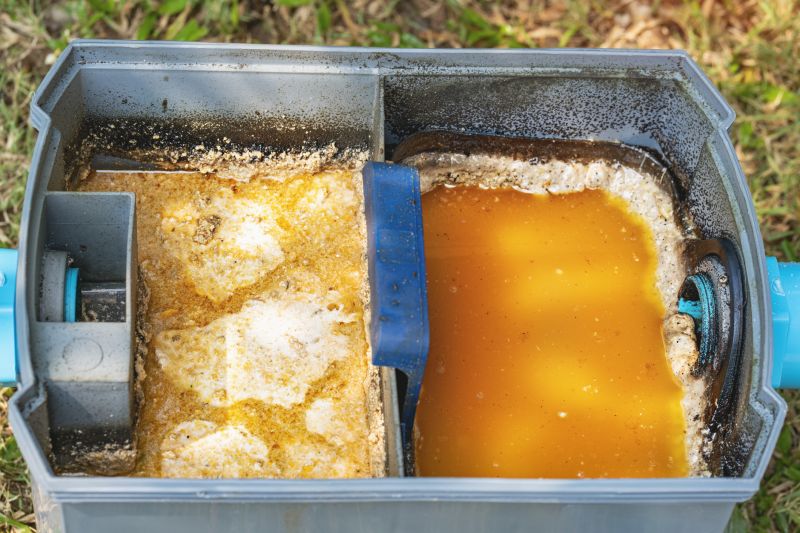
Grease trap installation is a common project for property owners managing commercial kitchens, restaurants, and food service establishments. When grease buildup begins to cause plumbing issues or foul odors, property owners often seek professional installation to ensure proper function and compliance with local regulations. Local contractors who specialize in grease trap services can help with installing new units or replacing outdated systems, providing a reliable solution to keep operations running smoothly.
In many cases, property owners may need grease trap services when expanding their facilities, upgrading kitchen equipment, or addressing routine maintenance needs. Properly installed grease traps help prevent blockages and backups that could disrupt daily activities or lead to costly repairs. Service providers in the area can assist with selecting the right system for specific property requirements and handle the installation efficiently, helping owners maintain a clean and compliant kitchen environment.
What is involved in grease trap installation? Grease trap installation typically includes selecting the right size, preparing the site, and securely installing the unit to ensure proper function and compliance with local codes.
How do I know if a grease trap needs to be installed? A grease trap is recommended for commercial kitchens and food service establishments to prevent fats, oils, and grease from entering the plumbing system.
What types of grease traps are available for installation? There are various types including in-ground, under-sink, and interceptor units, with options suitable for different space and capacity requirements.
Do local contractors handle all aspects of grease trap installation? Yes, many service providers manage the entire process, from site assessment and permitting to installation and testing.
What should be considered before installing a grease trap? Factors include the size of the establishment, available space, local regulations, and the type of food service operation.
Grease Trap Installation for Food Establishments - Ensures proper waste management for restaurants and cafes to meet health regulations.
Commercial Property Grease Trap Setup - Helps property owners maintain compliance and prevent plumbing issues in commercial kitchens.
Residential Grease Trap Solutions - Assists homeowners in managing kitchen waste effectively, especially in homes with large or shared kitchens.
Custom Installation Planning - Allows property owners to work with local contractors to design and install grease traps tailored to specific property needs.
If you are thinking about Grease Trap Installation for a property, this guide is meant to help you understand the work, the typical project types, and how different options might fit your plans.
When you are ready, you can use the quote form on this page to share a few details about your project. From there, local pros can review the basics and respond with options that match what you have in mind.