
Get Backflow Testing Service
Local contractors offer backflow testing services to identify and prevent water contamination issues in residential and commercial plumbing systems.
Property owners in the area seeking reliable backflow testing services can find a range of qualified local contractors ready to assist. Ensuring your plumbing system is properly tested helps maintain water quality and prevents potential contamination, making it a practical consideration for many property types. Whether you're planning routine maintenance or addressing specific concerns, exploring local options can help you identify providers experienced in backflow testing and related services.
Continuing to read can provide valuable insights into how local service providers approach backflow testing, allowing property owners to compare options and make informed decisions. By connecting with trusted contractors in the community, you can find the right partner to support your property’s plumbing needs and ensure compliance with local standards.
- Residential backflow testing - needed when homeowners want to ensure their drinking water remains free from contamination.
- Commercial backflow testing - required for businesses to comply with local health and safety regulations.
- Fire protection system testing - essential for verifying the integrity of backflow prevention devices in firefighting setups.
- Industrial backflow prevention - necessary when industrial processes involve water systems that require backflow safeguards.
- Municipal backflow inspections - conducted to maintain public water system safety and regulatory compliance.
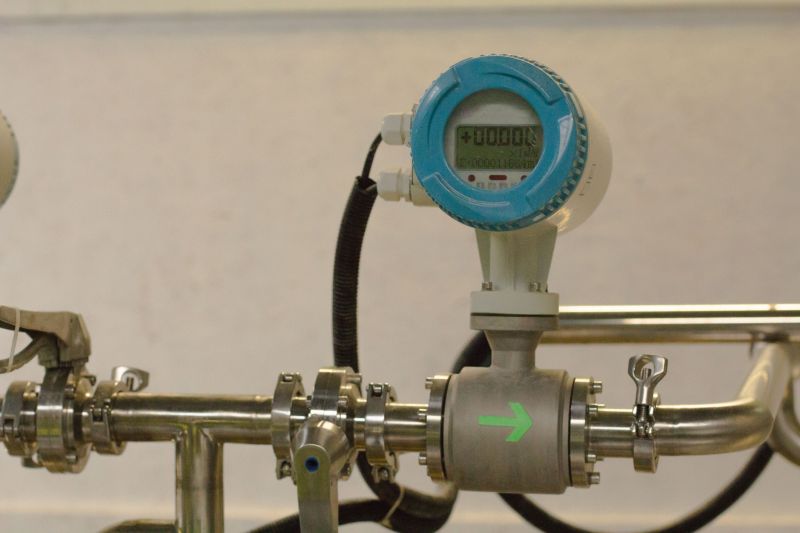
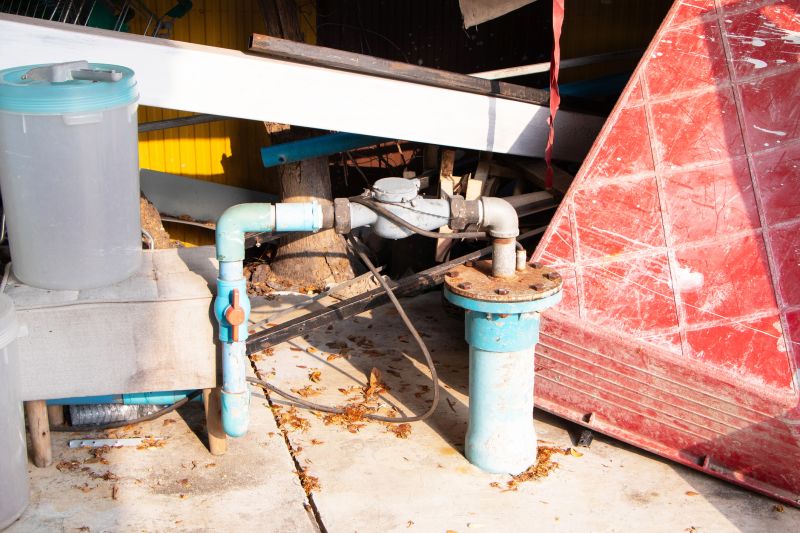
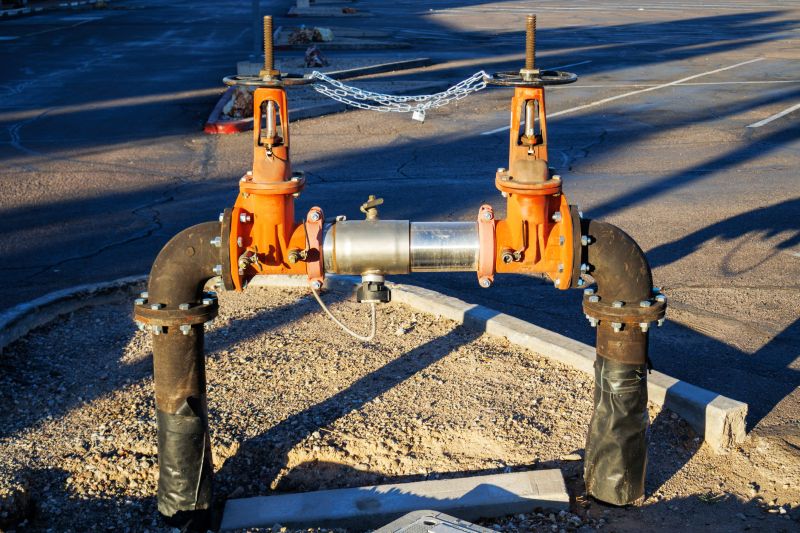
Backflow testing services involve inspecting and evaluating the backflow prevention devices installed on a property’s plumbing system. These devices are designed to prevent contaminated water from flowing back into the clean water supply. During testing, service providers assess whether these devices are functioning correctly and effectively stopping any reverse flow. Regular testing helps ensure that the water supply remains safe and free from pollutants, which is especially important in areas with complex plumbing systems or where there are potential sources of contamination nearby.
Many common plumbing issues can be identified through backflow testing. For example, if a backflow prevention device is faulty or has become damaged, it could allow pollutants, bacteria, or other harmful substances to enter the drinking water. This can pose health risks and lead to costly repairs or water quality violations. Testing can also reveal problems like worn-out parts, improper installation, or blockages that might impair the device’s ability to prevent backflow. Addressing these issues promptly helps maintain the integrity of a property’s water system and ensures compliance with local health standards.
Backflow testing services are typically used by a variety of property owners, including residential homeowners, commercial buildings, and property managers. Homes with irrigation systems, well water supplies, or fire protection systems often require regular testing to meet local regulations. Commercial properties such as restaurants, offices, and industrial facilities also benefit from backflow prevention to safeguard public health and avoid penalties. Additionally, properties located near industrial sites or agricultural operations might have heightened needs for testing due to increased risks of water contamination.
Homeowners should consider scheduling backflow testing if they have installed new plumbing devices, experience changes in water pressure, or are required by local ordinances to do so. It’s also advisable to have testing performed periodically, especially if there are known issues with the water supply or if the property has undergone recent repairs. By working with experienced local contractors, property owners can ensure their backflow prevention devices are properly maintained and functioning correctly, helping to protect the safety and quality of their water supply.
The overview below groups typical Backflow Testing Service projects into broad ranges so you can see how smaller, mid-sized, and larger jobs often compare in your area.
In many markets, a large share of routine jobs stays in the lower and middle ranges, while only a smaller percentage of projects moves into the highest bands when the work is more complex or site conditions are harder than average.
Smaller Repairs - Basic backflow testing for routine systems typically costs between $150 and $300. Many standard inspections and minor adjustments fall within this range, making it a common choice for regular maintenance.
Mid-Range Projects - More comprehensive testing or repairs usually range from $300 to $600. These projects often involve additional testing or minor component replacements and are frequently encountered by local contractors.
Large or Complex Jobs - Larger, more complex backflow testing or repairs can cost $600 to $1,200 or more. Such projects may include multiple device testing, extensive repairs, or system upgrades, which fewer projects fall into at the higher end.
Full System Replacement - Complete backflow prevention system replacements can exceed $2,000, with costs depending on system size and complexity. These are less common but necessary for outdated or severely damaged systems and handled by specialized local service providers.
Actual totals will depend on details like access to the work area, the scope of the project, and the materials selected, so use these as general starting points rather than exact figures.
Water Meter Installation - This project requires precise plumbing skills and knowledge of water systems, similar to backflow testing procedures.
Fire Sprinkler System Inspection - Inspecting and maintaining fire sprinkler systems involves testing water flow and pressure, akin to backflow device assessments.
Irrigation System Setup and Maintenance - Installing and servicing irrigation systems involves understanding water movement and ensuring proper function, related to backflow prevention.
Plumbing System Leak Detection - Detecting leaks within plumbing networks requires similar troubleshooting skills used in backflow device testing.
Water Supply Line Repair - Repairing and replacing water supply lines involves understanding water flow and pressure, paralleling backflow testing tasks.
Cross-Connection Control Program Management - Managing cross-connection control involves planning and testing for water safety, similar to backflow prevention strategies.
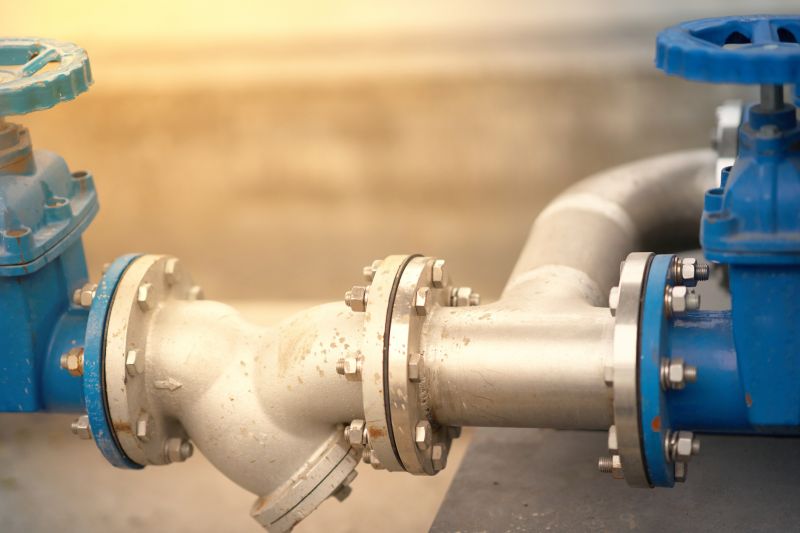
When selecting a professional for backflow testing services, it’s important to consider their experience with similar projects. Homeowners should look for service providers who have a proven track record in performing backflow testing in residential settings, ensuring they understand the specific requirements and potential challenges of the job. An experienced contractor is more likely to deliver reliable results and adhere to industry standards, providing peace of mind that the testing will be thorough and accurate.
Clear, written expectations are essential to establishing a mutual understanding of the scope of work. Homeowners should seek service providers who can offer detailed descriptions of their testing procedures, what the process involves, and any follow-up steps or documentation that will be provided. Having this information in writing helps prevent misunderstandings and ensures that both parties are aligned on what the project entails, making for a smoother and more transparent experience.
Reputable references and good communication are key indicators of a trustworthy contractor. Pros with positive references from previous clients demonstrate a history of satisfactory service, while open and responsive communication indicates professionalism and a commitment to customer needs. Homeowners should feel comfortable asking for references or reviews and should prioritize service providers who are transparent, approachable, and willing to answer questions throughout the process. It’s important to remember that this site introduces people to local options and does not perform the work itself, so selecting a qualified and communicative contractor is essential for a successful backflow testing experience.
Property owners use Backflow Testing Service services for practical projects around their homes and businesses. This guide focuses on everyday jobs and straightforward project options.
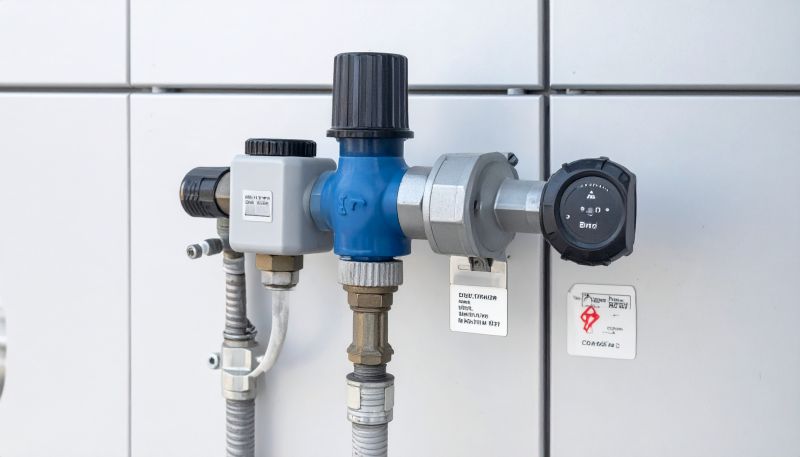
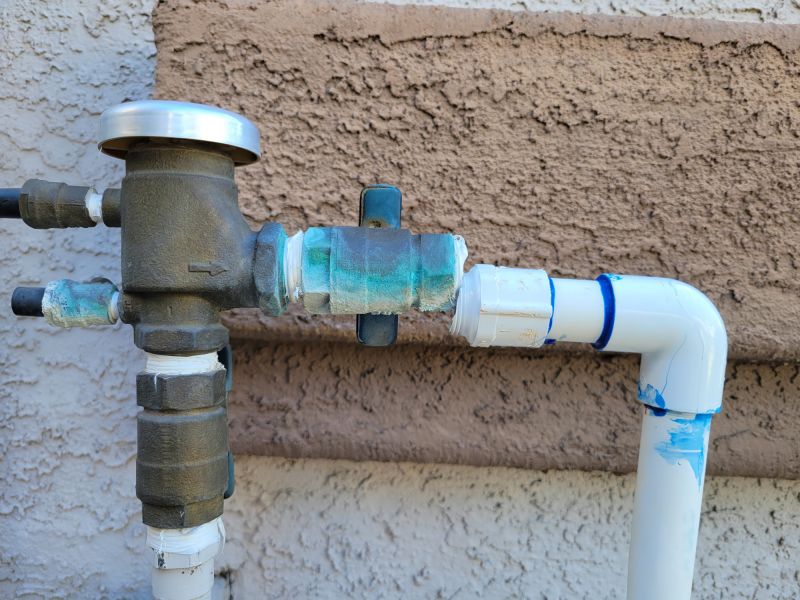
Backflow testing services are often needed when property owners want to ensure their drinking water supply remains safe and uncontaminated. Local contractors can help identify potential issues in the plumbing system, especially in situations where there have been recent repairs, renovations, or changes to the water lines. Regular testing is also important for properties that are connected to municipal water systems, as it helps prevent backflow incidents that could introduce pollutants into the drinking water.
Property owners in the area may seek backflow testing services after noticing unusual water tastes, odors, or discoloration, or simply as part of routine maintenance to comply with local regulations. Whether managing a residential property or a commercial site, connecting with experienced service providers can help address backflow concerns promptly and maintain water system integrity. Local contractors are equipped to handle these inspections and ensure systems are functioning properly, providing peace of mind for property owners.
What is backflow testing? Backflow testing is a process that checks for potential reverse flow of contaminated water into a clean water supply, ensuring the plumbing system functions properly.
Why is backflow testing important? Regular backflow testing helps prevent water contamination and ensures compliance with local plumbing regulations.
How do local contractors perform backflow testing? Certified service providers inspect backflow prevention devices to verify they are working correctly and identify any issues that may need repair or replacement.
Who should consider backflow testing services? Property owners, businesses, and facilities with irrigation systems or fire suppression systems typically require periodic backflow testing to maintain water safety.
How can I find local backflow testing service providers? This website can help connect with qualified local contractors who specialize in backflow testing services in your area.
Ensure Water Safety - Regular backflow testing helps property owners verify that their drinking water remains uncontaminated and safe for everyday use.
Maintain Plumbing Compliance - Property owners can use backflow testing services to meet local regulations and avoid potential penalties.
Prevent Water System Failures - Routine testing allows for early detection of backflow issues that could disrupt household or business water supply.
Protect Property Investment - Scheduling backflow testing helps safeguard plumbing infrastructure and preserve property value over time.
If you are thinking about Backflow Testing Service for a property, this guide is meant to help you understand the work, the typical project types, and how different options might fit your plans.
When you are ready, you can use the quote form on this page to share a few details about your project. From there, local pros can review the basics and respond with options that match what you have in mind.